


Eye On Vision September 2014 - Medical Mission to Nigeria
PV Supports Medical Mission to Nigeria
Partnering with the Mezu International Foundation to Deliver Essential Vision Screening Globally
Combating the Global Vision Crisis
Poor vision is a profound global challenge. It is estimated that more than 284 million people worldwide suffer from uncorrected visual impairment simply because they lack access to, or cannot afford, a basic pair of eyeglasses. To combat this issue, Precision Vision routinely supports international medical humanitarian missions.
In December 2013, the Baltimore-based non-profit Mezu International Foundation (MI) mobilized a comprehensive health deployment to Nigeria. “When the foundation's Medical Mission Coordinator approached us for specialized diagnostic testing tools, we were extremely pleased to coordinate an equipment donation track,” noted Lisa Holm, Director of Operations for Precision Vision.
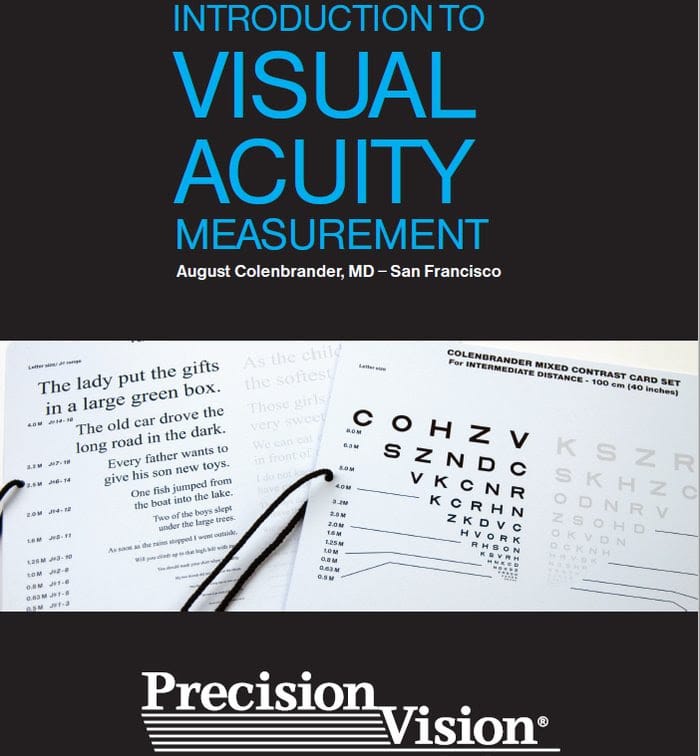
Our corporate donation included the Sloan 2-Sided ETDRS Near Point Test, several pediatric Patti Pics® continuous text reading cards, and a collection of multi-functional clinical occluders.
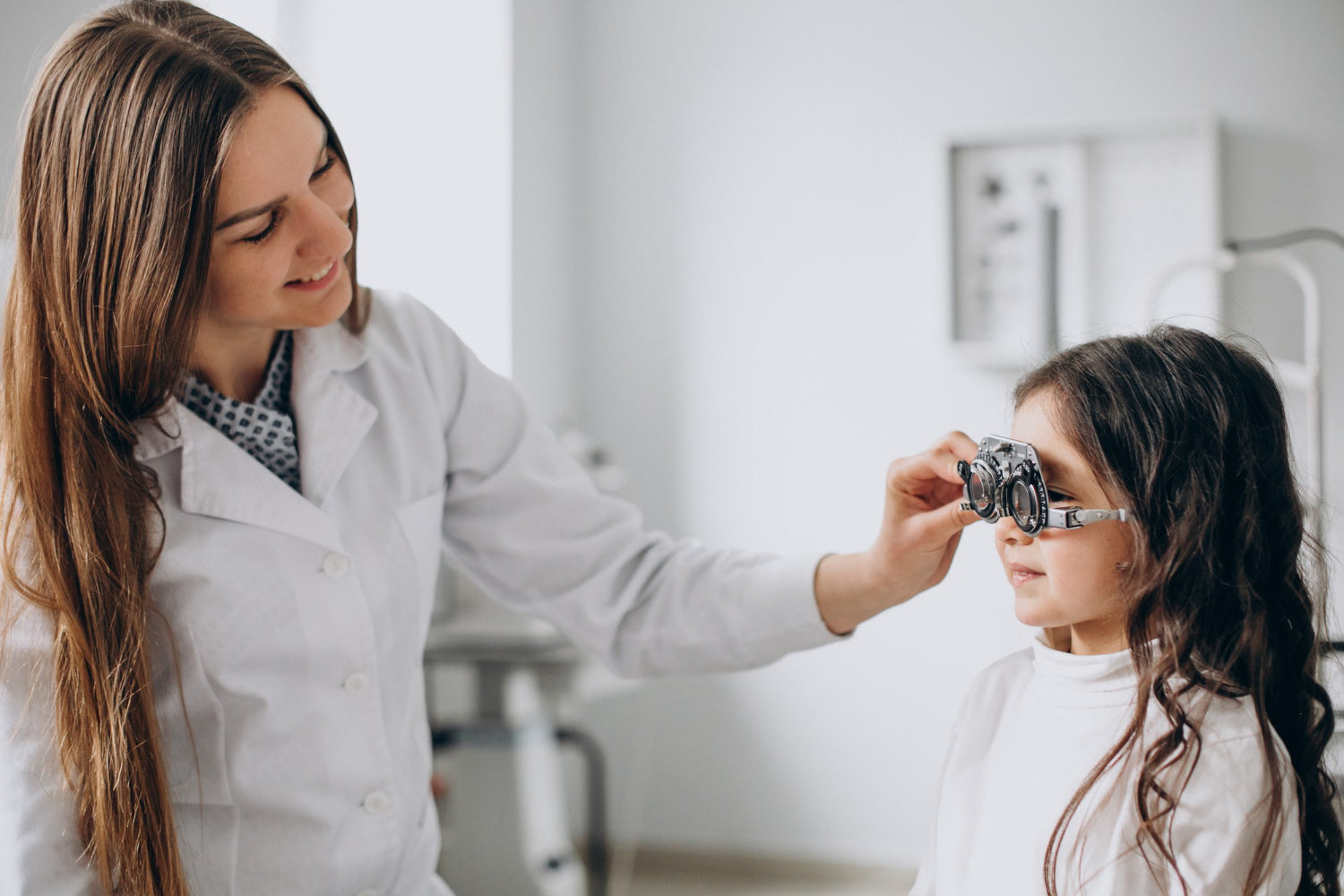
“We were extremely grateful to Precision Vision for their outstanding support. The uncompromised materials they supplied allowed our field teams to conduct hundreds of highly accurate visual acuity screenings for individuals who otherwise could never access care.”
– Dr. Mezu-Nnabue, Medical Mission Coordinator, MI Foundation

*Want to volunteer? Connect with the MI Foundation at 1008 Reisterstown Rd, Pikesville, MD or via info@mezufoundation.org.
Download Our Newest E-Book: Best Practices for Global Clinical Trials
In today’s global economy, where clinical trials require precise, synchronized implementation across multiple continents simultaneously, planning and managing eye research has never been more complicated or time-consuming. Successfully navigating through international regulatory frameworks and intense logistical supply chains—even for a small, multi-site protocol—demands meticulous, exhaustive planning.
As an approved, vetted equipment supplier for hundreds of active visual endpoints, Precision Vision has been intimately involved in planning integrated international data tracking models alongside the world's leading pharmaceutical entities. Over the years, our technical staff has compiled an invaluable ledger of tips, troubleshooting methods, and logistical best practices to help keep your data collection smooth, cost-effective, and entirely uneventful. This new e-book compiles those key operational learnings into a useful, lasting handbook.

Public Health Intelligence
Could Excessive Time Spent Outdoors Elevate Cataract and Glaucoma Risks?
Emerging ophthalmology data sets suggest that intensive outdoor activities and high-exposure solar radiation reflected directly up into the eye may accelerate advanced degenerative conditions associated with cortical cataracts and secondary glaucoma tracks. Ground reflections (such as from water or sand) intensify localized ultraviolet exposure across the lens and anterior chamber. Protecting the eye via certified UV-blocking lenses remains a paramount baseline preventative recommendation.
Source Reference: MedicineNet.com Health Registry
Isolating Neuronal Diversity Mechanisms in the Visual Cortex
Biologists at New York University have successfully isolated the temporal neurogenesis mechanism that dictates how the vast diversity of specialized neurons making up the visual system is generated.
Using a Drosophila (fruit fly) model, the research maps how neural progenitor cells express shifting transcription factors over time, ensuring the structured development of layered retinal and cortical processing columns. This basic science blueprint upgrades our foundational understanding of how complex visual circuitry organizes.
Implanted Intraocular Micro-Sensors and Smartphone Telemetry
Clinical engineering groups have proposed a transformative telemetry framework to monitor chronic open-angle glaucoma using a microscopic sensor implanted directly inside the anterior chamber during routine cataract surgery.
This passive sensor records real-time intraocular pressure (IOP) spikes and transmits telemetry data wirelessly to a patient's smartphone. Continuous monitoring flags dangerous nocturnal pressure surges immediately, allowing for rapid therapeutic adaptation to prevent irreversible optic nerve blindness.