




Peer-reviewed. Regulator-accepted. Globally cited.
Every PV instrument is backed by peer-reviewed publications and accepted by FDA, EMA, PMDA, and other major regulators as primary endpoint tools. Our equipment has been used in ETDRS, AREDS, DRCR.net, and most major retinal and vision clinical trials of the last thirty years.
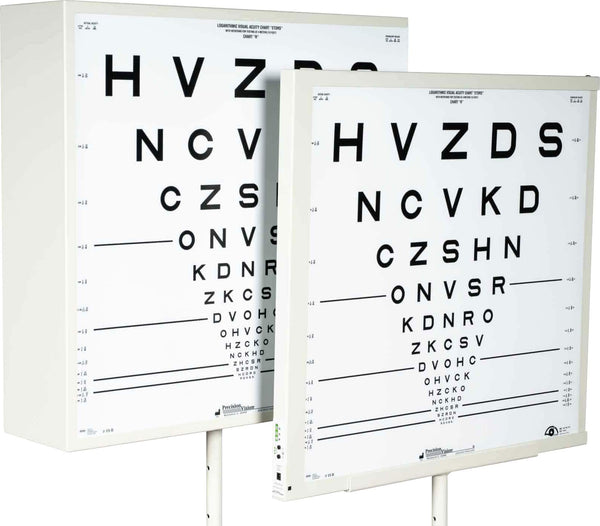

PRODUCT CATEGORIES
Vision testing instruments engineered for measurement integrity.
Six instrument families covering visual acuity, contrast sensitivity, color vision, low vision, reading speed, and pediatric testing. Every product validated and peer-reviewed.
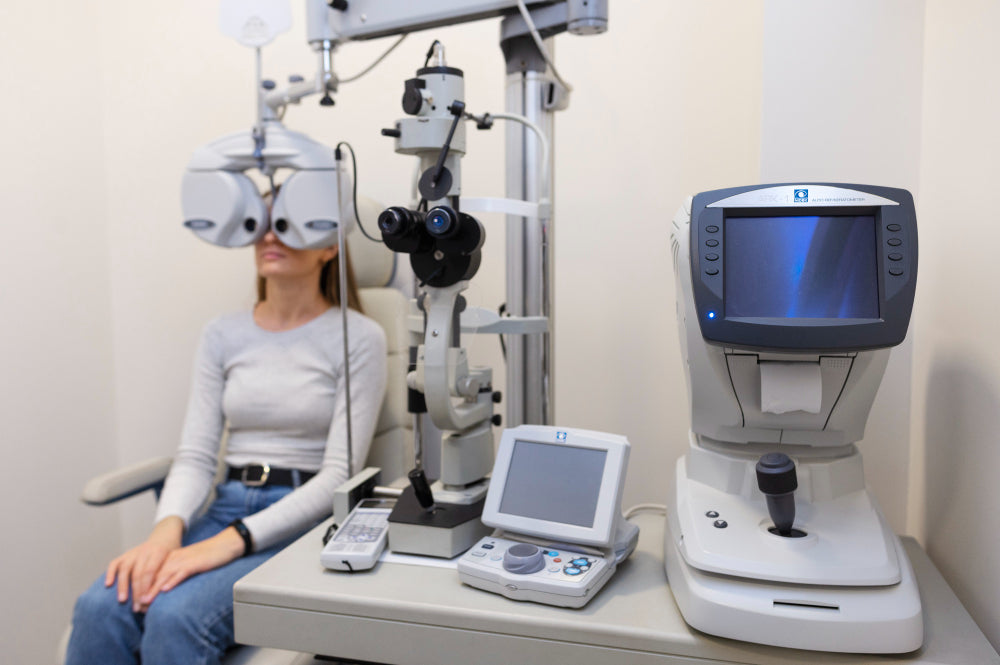
Visual Acuity Charts
ETDRS Revised 2000, Sloan Letters, HOTV, Lea Symbols, and pediatric optotypes. The standard for retinal trials, ophthalmology research, and clinical practice for over 50 years.
Browse charts →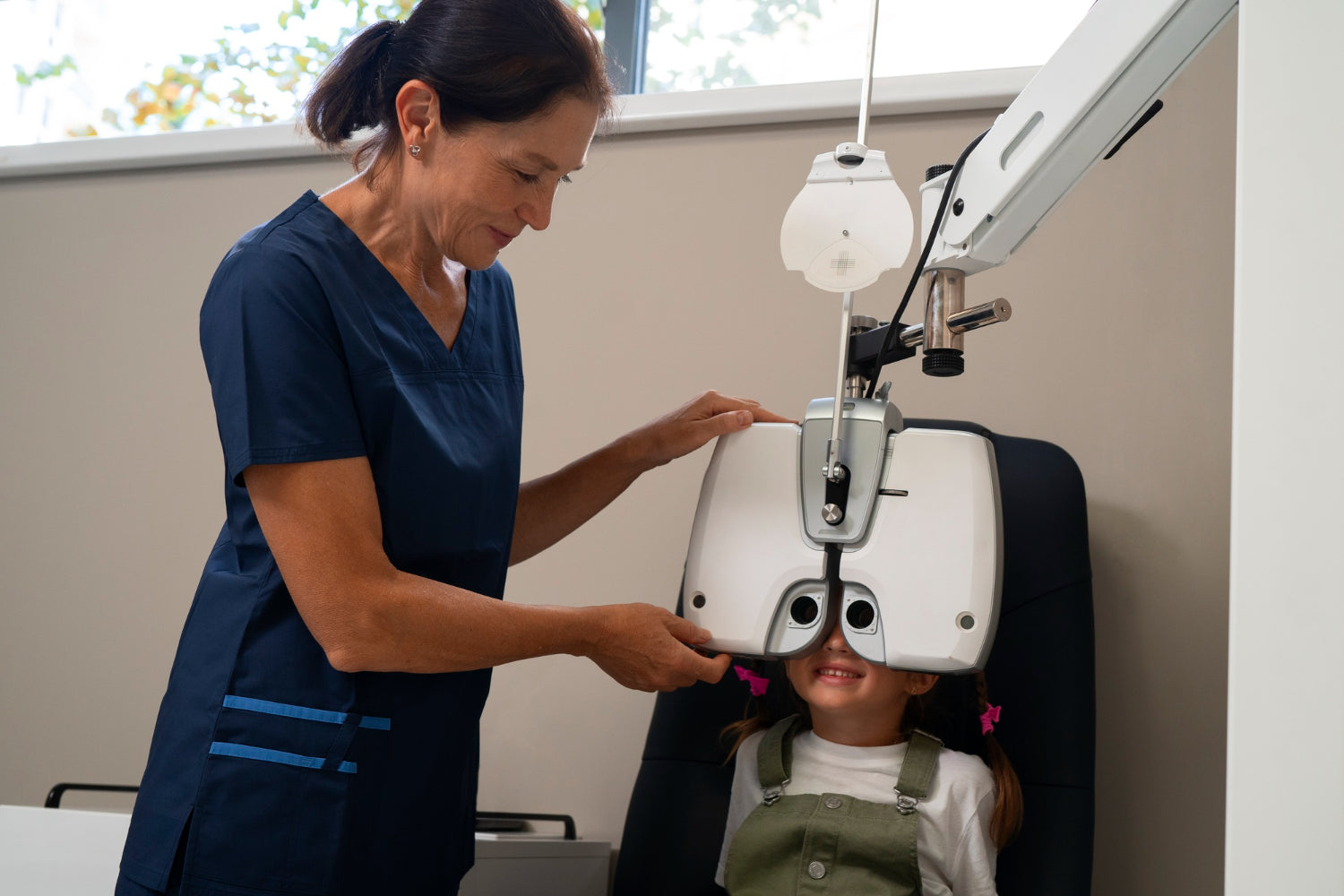
Contrast Sensitivity
Pelli-Robson, Mars, and validated contrast sensitivity panels. Sensitive to early visual function changes that standard acuity testing misses.
Browse contrast tests →
Reading Speed (iReST)
International Reading Speed Texts validated for low vision research and clinical assessment in seventeen languages. Tablet and print formats.
Browse iReST →
Low Vision Testing
Specialized instruments for severely impaired vision: enhanced contrast, simplified optotypes, validated low-vision protocols.
Browse low vision →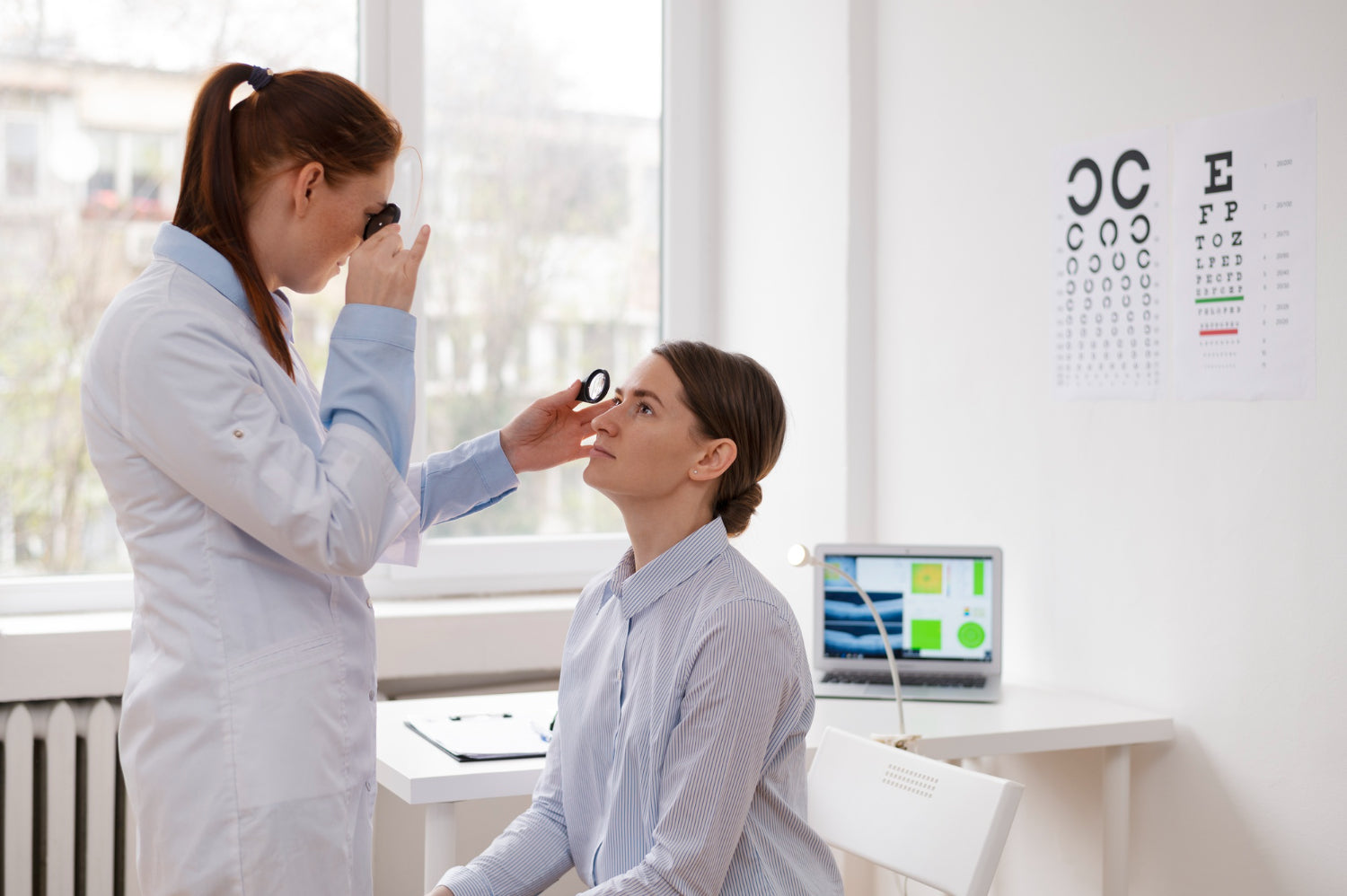
Pediatric Vision Testing
LEA Symbols, Teller Acuity Cards, HOTV, and shape-based optotypes for pre-literate and developmentally diverse populations.
Browse pediatric →
Clinical Trial Solutions
End-to-end ophthalmic trial infrastructure: certified equipment, investigator certification, training, and centralized quality monitoring.
Explore CTS →The instruments behind the science.
Bestsellers across clinical practice and clinical research. Every product manufactured in Woodstock, Illinois under ISO 13485:2016 quality management.

Gold Standard
Regulatory affairs teams need cite-ready evidence: peer-reviewed publication index, regulator acceptance documentation, methodology white papers, and per-instrument validation studies. We maintain these packages continuously, not on demand. Send us your evidence file requirements and we'll send the package within five business days. Pre-submission consultation available for novel trial protocols.

How we report between-site coefficient of variation.
For sponsor and regulatory teams building evidence files, the most-requested documentation package is our multi-site coefficient of variation analysis. PV measures and reports between-site CV across active trials and publishes the methodology behind the numbers.
"The CV reporting methodology is more transparent than what most measurement vendors will share. We included it verbatim in our regulatory submission."
Request an evaluation unit
Scientific Validation & Training
Scientific Validation & Training
What is scientific validation in vision testing?
Scientific validation refers to standardized methodologies designed to support reliable, reproducible, and clinically trusted visual assessment outcomes.
Why is standardization important in visual assessment?
Standardization helps improve consistency, reproducibility, and reliability across testing environments and patient evaluations.
Does Precision Vision provide training and certification?
Yes. Precision Vision supports examiner training, certification, lane standardization, and standardized visual assessment methodologies.
What types of training does Precision Vision support?
Training support includes:
ETDRS methodologies
BCVA assessment
Examiner alignment
Functional vision assessment
Lane certification
Standardized testing procedures