

SpotChecks™ Contrast Sensitivity Test
SpotChecks™ is a contrast sensitivity test designed to support functional vision assessment through simple, affordable, and repeatable testing. Developed by vision science pioneer Dr. John Robson ScD FRS., SpotChecks enables clinicians, researchers, and patients to monitor visual function changes that may not be detected through standard visual acuity testing alone.
Designed for both clinical and home use, SpotChecks provides an accessible method for measuring contrast sensitivity and tracking visual performance over time.
Request Information Order SpotChecks™
Contrast Sensitivity Testing Reveals More Than Visual Acuity
Visual acuity testing measures the ability to identify high-contrast targets, but many patients experience visual difficulties despite achieving normal acuity results.
Contrast sensitivity testing helps evaluate how patients perform in real-world visual environments involving:
- Low lighting conditions
- Night driving
- Glare sensitivity
- Reading under reduced contrast
- Face and object recognition
- Everyday visual function tasks
By measuring visual performance across varying contrast levels, clinicians can gain a more complete understanding of functional vision.
Explore Contrast Sensitivity Testing
Why Use SpotChecks™
SpotChecks was developed to make contrast sensitivity testing more practical for routine monitoring and patient follow-up.
Precision Vision SpotChecks solutions support:
- Simple self-administered testing
- Fast assessment in minutes
- Home and office monitoring
- Repeatable visual function measurement
- Easy scoring and documentation
- Cost-effective patient monitoring
The worksheet-based format allows patients to complete testing independently while supporting consistent visual function assessment.
Functional Vision Assessment Beyond Standard Eye Charts
Many visual conditions can impact contrast sensitivity before significant changes appear on standard visual acuity tests.
SpotChecks may be utilized when monitoring patients with:
- Cataracts
- Glaucoma
- Macular degeneration
- Diabetic eye disease
- Multiple sclerosis
- Neurological disorders
- Low vision conditions
- Vision rehabilitation programs
Contrast sensitivity assessment provides valuable insight into visual function that traditional eye charts may not fully capture.
Explore Functional Vision Solutions
Home Vision Monitoring Made Practical
Ongoing vision monitoring can help clinicians better understand changes in visual function between scheduled appointments.
SpotChecks supports:
- Patient self-monitoring
- Remote vision assessment programs
- Longitudinal visual function tracking
- Follow-up monitoring between visits
- Home-based visual performance evaluation
The convenient format allows patients to participate in monitoring their own visual health while providing clinicians with additional functional vision information.
Reliable and Repeatable Contrast Sensitivity Measurement
Consistency is essential when monitoring visual function over time.
SpotChecks was designed to support:
- Repeatable contrast sensitivity testing
- Standardized visual assessment
- Reliable patient monitoring
- Consistent scoring methodologies
- Long-term visual function tracking
The system offers a practical approach for clinicians seeking efficient contrast sensitivity assessment without complex equipment requirements.
Applications Across Clinical and Research Environments
SpotChecks is utilized in a variety of visual assessment settings, including:
- Ophthalmology clinics
- Optometry practices
- Vision rehabilitation programs
- Academic institutions
- Clinical research studies
- Low vision assessment programs
- Neurological vision evaluation
- Home monitoring initiatives
The flexibility of SpotChecks supports visual function assessment across diverse patient populations and care environments.
Why Precision Vision
For decades, Precision Vision has supported ophthalmology, optometry, vision rehabilitation, and research communities through scientifically grounded visual assessment solutions.
- Functional Vision Expertise — Solutions designed to evaluate visual performance beyond traditional acuity measurements.
- Standardized Assessment Methodologies — Testing systems developed to support consistency, repeatability, and reliable visual function monitoring.
- Vision Science Leadership Since 1965 — Trusted worldwide by clinicians, researchers, educators, and healthcare professionals.
Support Better Functional Vision Monitoring
Visual acuity is only one component of visual performance.
SpotChecks™ helps clinicians and patients evaluate contrast sensitivity and monitor meaningful changes in visual function through a practical, repeatable, and accessible testing methodology.
Whether used in clinical practice, research environments, rehabilitation programs, or home monitoring initiatives, SpotChecks supports a more complete understanding of how patients see in everyday life.
Order SpotChecks™ Contact Precision Vision
Frequently Asked Questions
What is the SpotChecks™ contrast sensitivity test?
SpotChecks™ is a self-administered contrast sensitivity test designed to measure functional vision and monitor visual performance changes over time.
What does contrast sensitivity testing measure?
Contrast sensitivity testing evaluates a person's ability to detect subtle differences between objects and their background, providing insight into real-world visual performance.
How is SpotChecks different from a standard eye chart?
Traditional eye charts primarily measure high-contrast visual acuity. SpotChecks evaluates contrast sensitivity, which may reveal visual function changes not detected by acuity testing alone.
Can SpotChecks be used at home?
Yes. SpotChecks was specifically designed to support patient self-monitoring and home-based visual function assessment.
What conditions may affect contrast sensitivity?
Contrast sensitivity may be affected by cataracts, glaucoma, macular degeneration, diabetic eye disease, multiple sclerosis, neurological disorders, and low vision conditions.
Who uses SpotChecks?
SpotChecks is utilized by ophthalmologists, optometrists, researchers, vision rehabilitation specialists, educators, and patients participating in visual monitoring programs.
Why is contrast sensitivity important?
Contrast sensitivity provides valuable information about how patients function in everyday visual environments and may identify visual performance changes before they appear on standard acuity tests.
Articles
Get informed about new products, services, counterfeits, testing devices, and more.
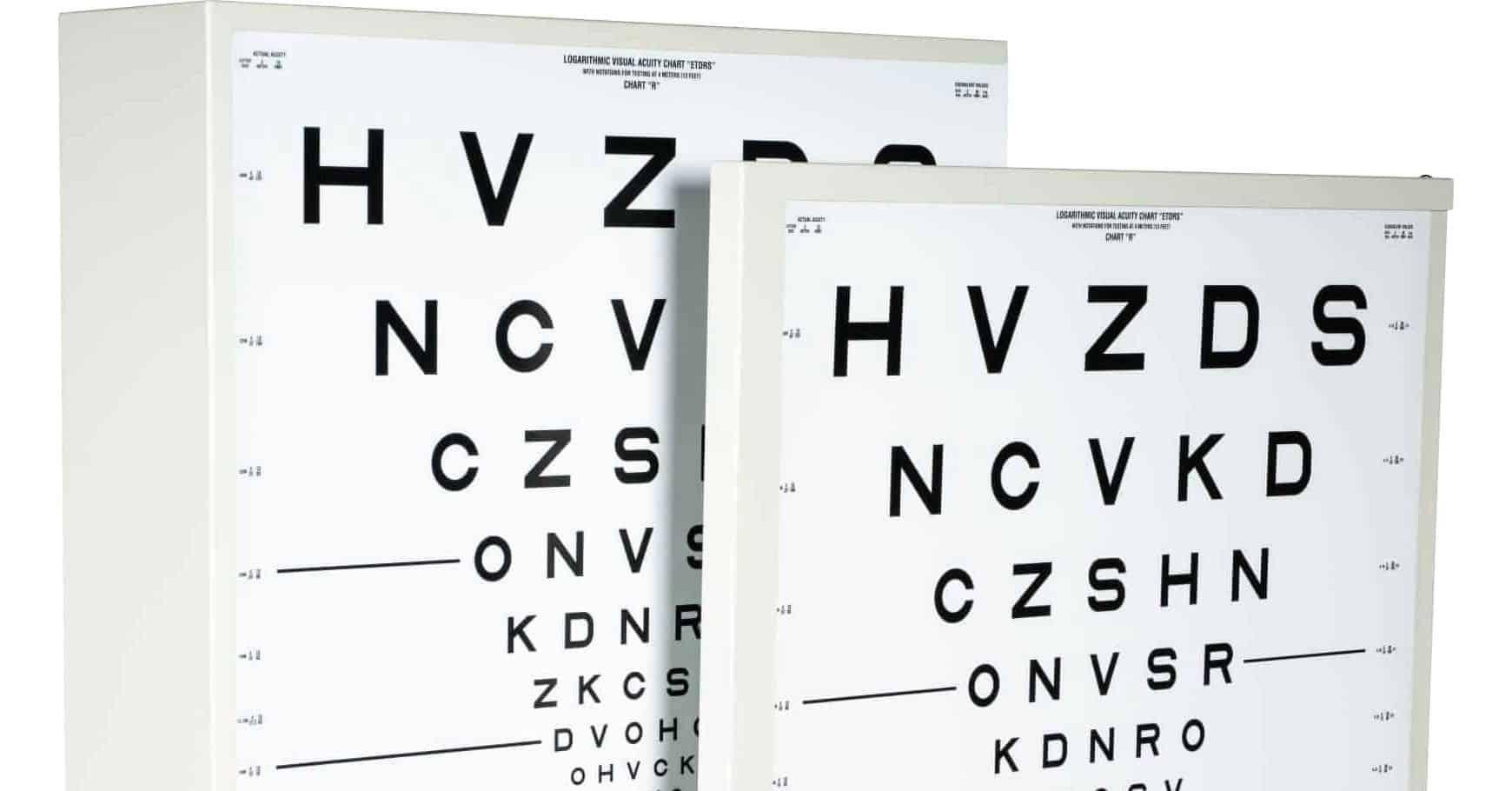
Early Treatment Diabetic Retinopathy Study The Evolution of ETDRS® Testing and the Global Gold Standard for Visual Acuity Mappings ETDRS® stands for Early Treatment of Diabetic Retinopathy St...
Read more
Illinois Vision Screening Guidelines
Illinois Department of Public Health Vision Screening Guidelines Students Required to Receive Vision Screening The State of Illinois requires annual vision screening for the following students...
Read more
Precision Vision Early Detection
BACK-TO-SCHOOL Early Detection Vision Screening Extensive research has proven that maintaining healthy vision and early detection of vision conditions supports proper physical, intellectual, ...
Read moreNewsletters
Our Eye On Vision newsletters are archived here. Re-read all the latest!
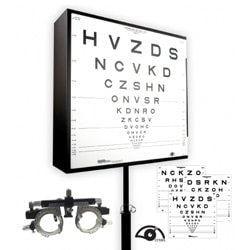
Precision Vision and ETDRS – ETDRS Charts, Illuminator cabinet – Precision Vision
IN THE NEWS The Genesis of the ETDRS Standard How Precision Vision® Partnered with the NIH and National Eye Institute to Forge Global Ophthalmic Benchmarks Nearly three decades ago, a monu...
Read more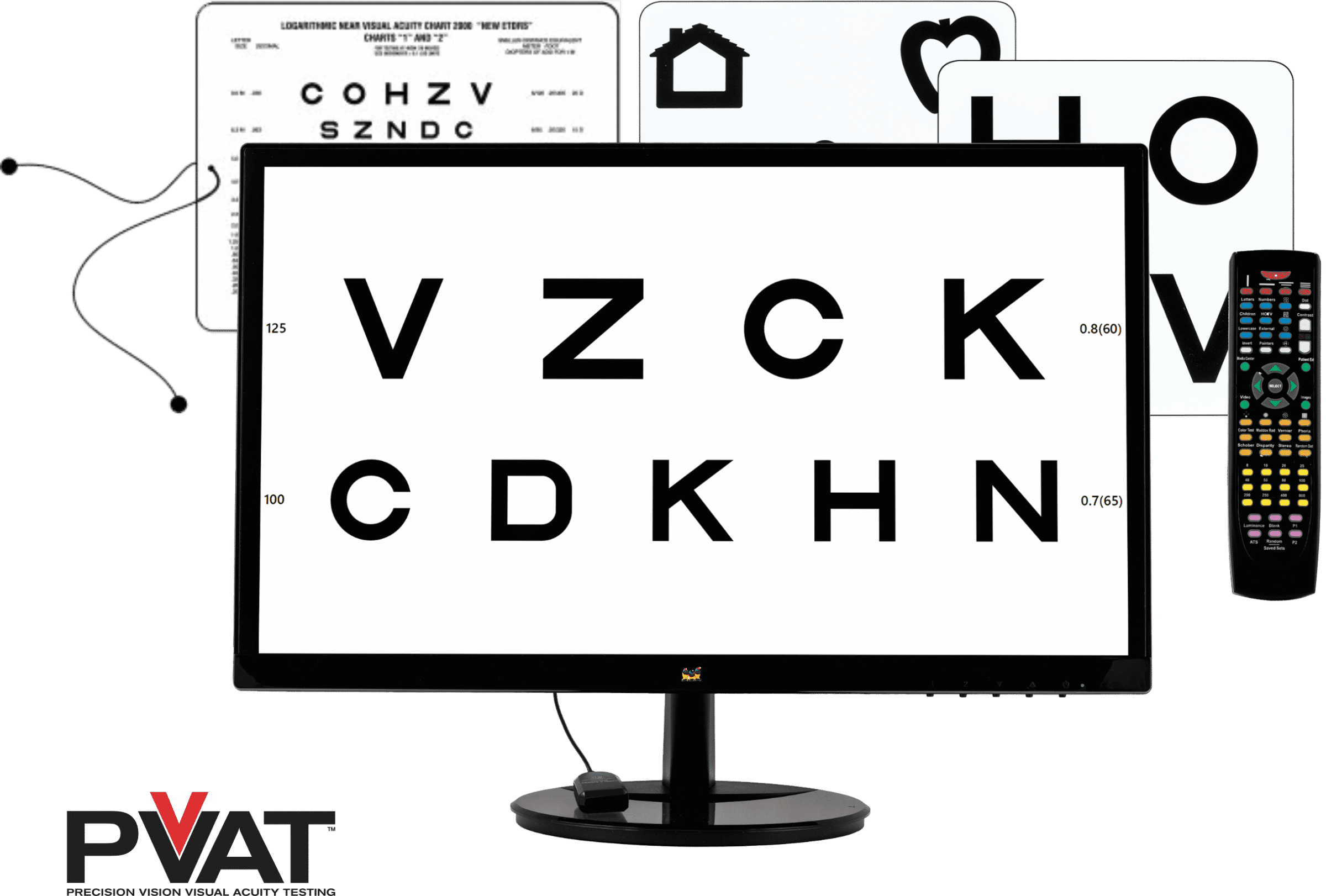
June Issue – Digital Acuity Testing More Than Just Another Digital Acuity Software Uncompromised Optotype Science and Precision Engineering Meet Digital Clinical Testing Many of the acuity ...
Read more
September Issue – Pediatric Vision Portable Acuity Screening for Any School Validation of Patched HOTV with Amblyopic Patients and Bangerter Normals Clinical Literature Citation Tsao Wu M, Ar...
Read moreVideo
See product demonstrations, discussions from leading eye care professionals, and more.
https://fast.wistia.net/embed/iframe/bwowz3rqdt?videoFoam=true
Read more